Mold remediation in Englewood, CO is handled by independent providers who serve 7 ZIP codes in Englewood: 80110, 80111, 80112, 80113, 80150, 80151, 80155. Englewood is about 6 miles from Denver and is a smaller community of about 33,082 residents. Use Call Now, tell the provider your street address and what you found, and you will be connected with an independent provider who confirms coverage for your address.
ZIP codes covered in Englewood
Requests for Englewood cover these ZIP codes: 80110, 80111, 80112, 80113, 80150, 80151, 80155. A listed ZIP code is the starting point for confirmation. The provider checks the street address, the property type and availability before it books a visit, because a ZIP code can cross city lines and service boundaries.
- 80110
- 80111
- 80112
- 80113
- 80150
- 80151
- 80155
What mold remediation usually deals with around Englewood
The problems below are the ones most often reported across the Denver area, which includes Englewood. Describe the one that matches yours when you call so the provider can plan the inspection.
Basement mold from window-well or foundation seepage
Window wells and foundation cracks let groundwater into basements, wetting drywall and carpet edges. Fix the water source first, then dry, remove affected porous material and verify moisture levels before rebuilding.
Attic mold from ice dams and roof leaks
Warm attic air melts snow and ice dams push water under shingles, wetting sheathing and insulation. Mold in the attic is solved by finding the leak or ventilation problem, removing damaged material and drying the space.
Bathroom mold from poor ventilation
Bathrooms without a working exhaust fan hold moisture on ceilings and grout. Ventilation, cleaning small areas and repairing leaks around tubs and toilets stop mold from returning.
Crawl space moisture
Crawl spaces gain moisture from soil, vents and plumbing leaks. A vapor barrier, drainage, dehumidification and sometimes encapsulation keep humidity down and protect the structure.
Mold after a plumbing leak
A hidden pipe or appliance leak can wet wall cavities for days before anyone notices. Mold can start in 24 to 48 hours, so drying fast and checking moisture behind finishes matters.
Mold on HVAC or evaporative cooler components
Evaporative coolers and HVAC components add moisture and can grow mold on pads, drains and coils. Cleaning and maintenance, and replacing contaminated parts, address it.
Local conditions that shape the work near Englewood
Englewood shares its climate, housing stock and seasons with the wider Denver area. Denver's semi-arid climate means mold usually comes from a specific moisture source (leaks, flooding, ice dams, condensation, basement seepage) rather than constant humidity. Older brick bungalows and Denver Square homes often have basements and crawl spaces with window-well leaks. Evaporative (swamp) coolers in older homes can add indoor moisture.
Spring snowmelt, summer hail on the Front Range, and winter ice dams are common sources of roof leaks. Neighborhoods to name (confirm coverage): Capitol Hill, Park Hill, Highlands, Baker, Washington Park, Sloan's Lake, Cherry Creek, Montclair. Ask the provider how these conditions apply to the specific street, building age and lot you have in Englewood.
How mold remediation works from assessment to clearance
In every room the logic of remediation is the same. Find the moisture first, protect the rest of the building, take out what cannot be cleaned, clean what can be, dry it all and show that the work succeeded. Keeping that order matters, since mold cleaned away while the water remains only delays the problem.
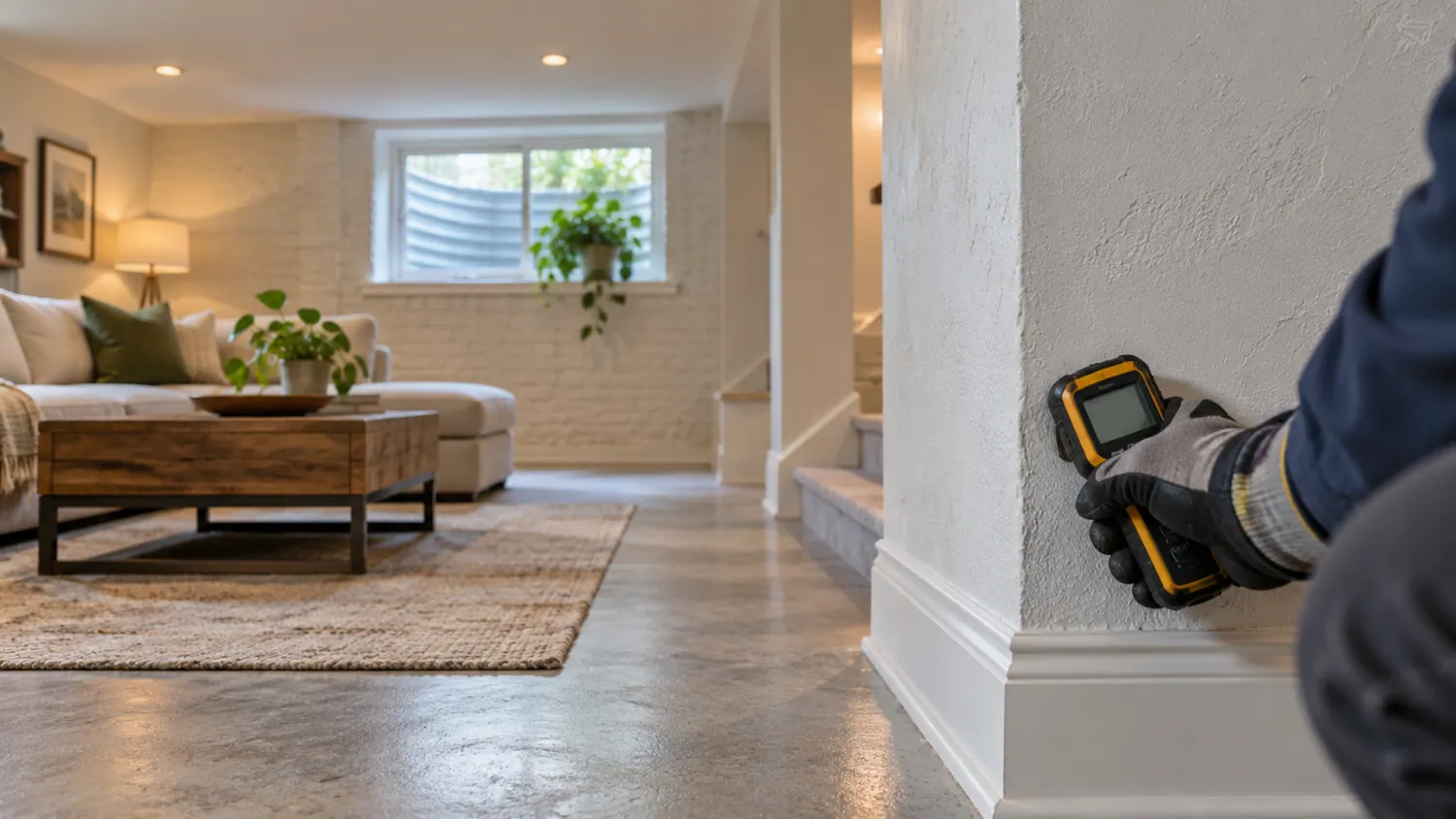
- Assessment: visual inspection, moisture meter readings and, where useful, thermal imaging or a borescope to find hidden damp areas and the water source.
- Plan: a written scope that names the affected areas, the materials to remove, the containment and the drying targets.
- Containment: plastic sheeting, an entry airlock and a negative air machine with a HEPA filter, so spores are not spread through the house.
- Removal: porous materials such as wet drywall, insulation and carpet are bagged and removed; structural wood is cleaned or sanded.
- Cleaning: HEPA vacuuming and damp wiping of surfaces, then drying with dehumidifiers and air movers.
- Verification: a visual check, moisture readings and, where agreed, sampling by an independent assessor before the area is rebuilt.
Seasons in the Denver area
Spring melt and summer storms raise leak risk; winter ice dams hit attics.
| Season | What to watch | What to do |
|---|---|---|
| Spring | Snowmelt, spring storms and basement seepage | Check basements, crawl spaces, window wells and gutters |
| Summer | Humidity, storms, AC condensation | Keep indoor humidity under about 50 percent and check drains |
| Fall | Leaves in gutters, roof leaks, damp crawl spaces | Clean gutters, inspect the roof and attic, seal leaks |
| Winter | Ice dams, condensation on windows, closed-up homes | Ventilate bathrooms, watch attic frost and ceiling stains |
Neighboring areas we also serve
Providers connected through Mold Remediation Denver also serve these nearby areas: Wheat Ridge (2 ZIP codes); Commerce City (2 ZIP codes); Arvada (7 ZIP codes); Westminster (4 ZIP codes); Aurora (17 ZIP codes). The full service area list shows every covered city and ZIP code, and the Denver homepage covers mold remediation in Denver itself.
Mold Remediation in Englewood, CO in Denver: common questions
Do you serve all of Englewood?
Requests cover the ZIP codes listed above for Englewood. The provider confirms your street address, because coverage follows service boundaries rather than a city limit. If your ZIP code is not listed, send a request anyway and ask whether your address can be served.
How do I confirm that my Englewood address is covered?
Use the ZIP checker on the service area page or use Call Now and give your address. The provider confirms coverage and availability directly before scheduling a visit.
How far is Englewood from Denver?
Englewood is about 6 miles from Denver. Providers plan routes by location, so the provider will tell you about availability for your address.
Is Englewood covered by the same provider as Denver?
Not necessarily. Providers set their own service areas, so a provider that covers Denver may or may not cover Englewood. The provider you speak with confirms the address.
What should I tell the provider when I call from Englewood?
Give your street address and ZIP code, what you saw and when it started, and any photos or earlier treatments. Mention pets, children and access to the attic, crawl space or yard. The more specific the description, the more useful the first conversation.
Who performs the work in Englewood?
An independent provider does the work and sets the price. Mold Remediation Denver is a referral website that connects you with providers and does not perform the work itself.