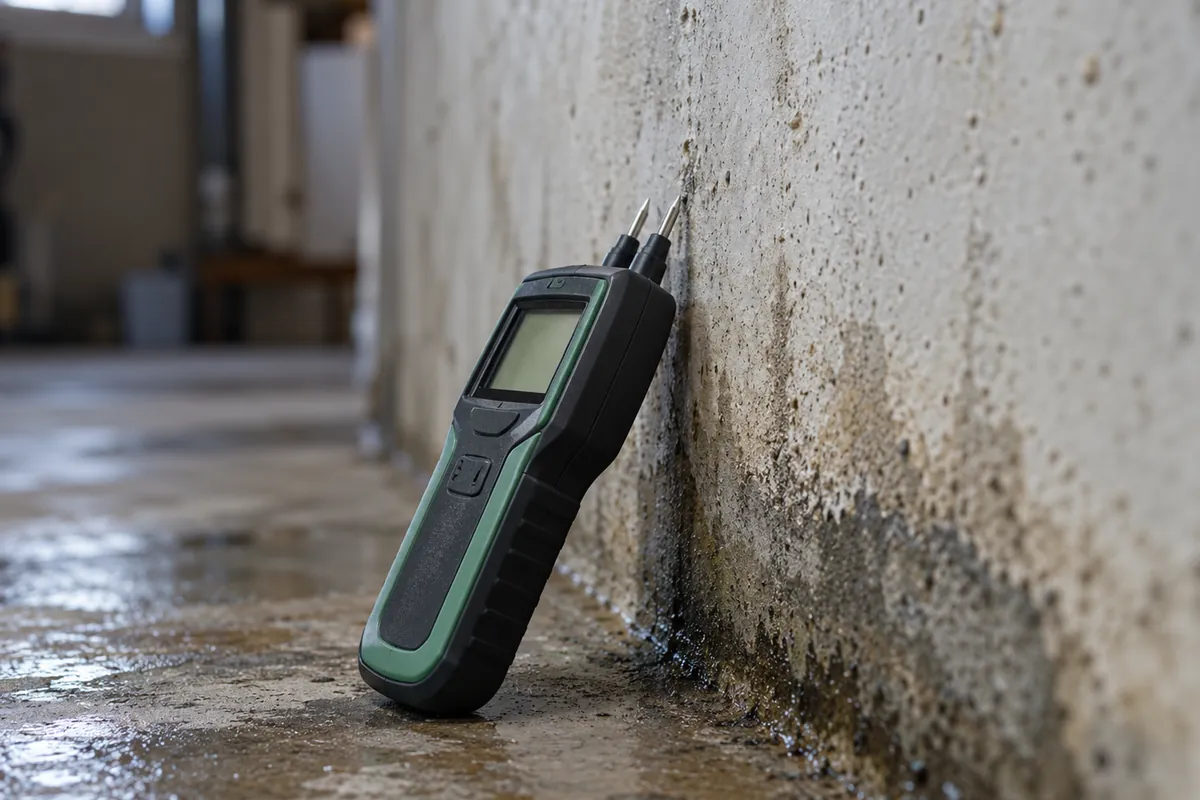
Bleach and mold: does it work? EPA's answer, in Denver, CO and elsewhere, is that bleach is not recommended as a routine response to mold. A stain may look lighter while the growth below the surface stays, and the moisture is not fixed either. For a professional assessment, use Call Now and an independent provider serving 66 ZIP codes around Denver will answer.
Why bleach is not the answer
- It may whiten a stain while leaving mold below the surface
- It does nothing about the moisture problem
- The water in bleach can feed regrowth
- Chlorine bleach does not penetrate porous materials like drywall and wood
- It produces fumes that irritate eyes and lungs, and it must never be mixed with ammonia or other cleaners
What EPA recommends instead
For small areas on hard surfaces, EPA suggests cleaning with detergent and water and drying thoroughly. Porous materials with mold, such as ceiling tile or carpet, should be removed. Biocides are not recommended as a routine practice. The key step is fixing the water problem.
Cleaning a small area safely
- Wear gloves, eye protection and a respirator
- Ventilate the room and keep the area closed from the rest of the house
- Scrub hard surfaces with detergent and water and rinse
- Dry the area fully within a day or two
- Bag and dispose of rags and sponges
When to leave it to professionals
- It is inside walls, the HVAC or the attic
- The area was flooded or the water was contaminated
- Mold covers more than about ten square feet
- Anyone in the home has health concerns
- It is on drywall, insulation or other porous materials
Mold and moisture terms explained
- HEPA: a high-efficiency filter that captures very small particles
- Moisture source: the leak, humidity or condensation that keeps materials wet
- Negative air machine: a fan with a HEPA filter that pulls air out of containment
- Relative humidity: the amount of water vapor in the air as a percentage; many guides aim for under about 50 percent
- Containment: plastic barriers and an airlock that keep spores in the work area
- IICRC S520: the standard for professional mold remediation
- Antimicrobial or biocide: a chemical product that EPA does not recommend as routine for mold cleanup
A checklist for this week
- Check under sinks, around the water heater and behind toilets for leaks
- Look at the attic and crawl space for stains or damp insulation
- Take photos of any stain you find and note the date
- Run bath and kitchen fans and check they vent outside
- Clean gutters and extend downspouts
Why the first 48 hours matter
Drying wet materials within 24 to 48 hours is the advice in many guidelines, since after that mold can begin to grow on drywall paper, wood and insulation. The chance of growth falls with fast extraction, dehumidification and removal of materials that cannot be dried.
Myths and facts
- Myth: if you cannot see it, it is not there. Fact: hidden mold can show up as smell or stains.
- Myth: painting over mold seals it. Fact: growth continues underneath.
- Myth: a dehumidifier cures mold. Fact: it helps control humidity but does not remove existing growth.
- Myth: bleach solves mold. Fact: EPA does not recommend it routinely and it does not fix moisture.
- Myth: black mold is always the most dangerous. Fact: color does not identify mold, and the response is the same.
What shapes the written scope
Jobs that look similar can differ greatly in scope. A written scope should state which of these factors applied to your property and what each of them added to or took out of the work.
Ask the provider to separate the assessment, the removal, the drying and the rebuild, and to say who is responsible for finding and repairing the water source.
- Size of the affected area and how many rooms or levels it touches
- Containment needs, access and occupants who are sensitive or at risk
- Whether sampling or independent verification is wanted or required by a lender, insurer or landlord
- The moisture source and whether it has been repaired
- Materials involved: drywall, insulation, wood framing, carpet, ductwork
Safety, health and what the standards say
Moisture in the building is the root of any mold problem. EPA guidance on mold in homes calls for fixing the moisture problem, cleaning or removing contaminated material and drying the area, while the IICRC S520 standard sets out professional remediation practices such as containment and verification. This website reports what those sources recommend; it makes no medical claims and promises no health outcomes.
Anyone with allergies, asthma, weakened immunity or another health concern should speak to their doctor and stay out of the work area. The area is isolated from the rest of the home, and workers wear respirators, gloves and eye protection.
Questions to ask a mold remediation company
- How will you dry the structure and what readings show it is dry?
- Who will verify the result, and is that person independent of the work?
- What will you contain, remove and clean, and what stays?
- Where is the moisture coming from, and who fixes it?
- What is in the written scope, and what is excluded?
- How will you control spores and dust in the rest of the house?
Prepare your Denver home for assessment
- Stop using fans that blow across the affected area, which can spread spores
- Take photos of visible growth, stains and the area around it, without disturbing it
- Write down when you first noticed the stain or smell, and any recent leaks, floods or roof damage
- Gather insurance documents, repair invoices and any earlier inspection reports
- Keep the affected room closed and turn off HVAC in it if you can do so safely
When to call a professional
Get in touch when the affected area is bigger than roughly ten square feet, when mold is in the HVAC system or inside walls, when the water source is unknown, when contaminated water flooded the area or when anyone in the home has health concerns. Call Now at the top of the page puts you through once you describe what you found: an independent remediation company covering your ZIP code confirms your address and assesses the property in person.
What this means for a home in Denver
Denver's semi-arid climate means mold usually comes from a specific moisture source (leaks, flooding, ice dams, condensation, basement seepage) rather than constant humidity. Older brick bungalows and Denver Square homes often have basements and crawl spaces with window-well leaks.
Evaporative (swamp) coolers in older homes can add indoor moisture. Spring snowmelt, summer hail on the Front Range, and winter ice dams are common sources of roof leaks. Use these local details when you compare advice, and ask any provider how they apply to your house.
Getting help in Denver and nearby cities
Mold Remediation Denver connects you with independent mold remediation companies covering 66 ZIP codes in Denver, Colorado: 80201, 80202, 80203, 80204, 80205, 80206, 80207, 80208, 80209, 80210. Requests also reach providers serving Wheat Ridge, Commerce City, Englewood, Arvada and Westminster. Coverage is confirmed address by address.
Describe what you found through Call Now, at the top of the page. The provider confirms your address, assesses the moisture and writes the scope down for you.
Keep reading
Related pages for Denver homeowners: Mold Testing: When It Helps and When It Does Not; Mold vs Mildew: How to Tell the Difference; How to Prevent Mold: Humidity and Moisture Control; Mold and Home Insurance: Questions to Ask. For the area list, see the service areas page.
Common questions about does bleach kill mold?
Does vinegar work better than bleach?
Some hard surfaces respond to vinegar, but it has the same limits, and moisture control is what matters.
Can I mix bleach and other cleaners?
Never. It can create toxic gases.
Is bleach safe on bathroom tile?
Detergent and water are usually enough. Ventilate if you use any cleaner.
Why does mold return after cleaning?
Moisture remains.
What kills mold spores?
Removing and cleaning is more reliable than killing. Dry the area.
Should I use a fogger?
Foggers do not remove mold and are not recommended as a substitute for removal.